
Ahmedabad, Gujarat, India
ISO 9001:2008 Certified
Thermal Management Solutions

HDPE & PPR Pipe for Chilling Plant

We are one of the foremost manufacturer and supplier of HDPE Pipes and PPR Pipes in India. As our offers a large variety of supreme quality of HDPE Pipes Chilling Plant which contains air chiller for blown film plant. HDPE Pipes for Chilling Plant helpful in remove heat from the liquid with the help of the vapor compression refrigeration cycle.

Industrial Refrigeration

These pipes are manufactured with the best quality of raw material and durability offers at competitive prices which fulfill our customer’s requirement. All types of fabricate fittings are available for built welding and other instruments. Our HDPE Pipes are covered with various materials as new technology and infrastructure for development in industrial and Agriculture sector.
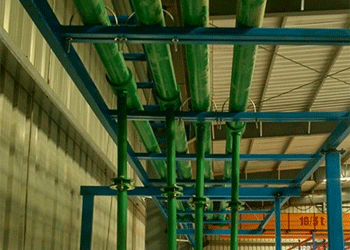
Chilling Plant Piping
Features

Features of Chilling Plant Piping

High thermal stability for refrigeration cycles

Corrosion resistant to cooling liquids and additives

Lightweight design for easy over-head installation

Application of Chilling Plant

As per our clients requirement we are here to fulfill all needs in trustable manner, providing robust piping for blown film plants and industrial vapor compression refrigeration cycles.

Advantages of Chilling Plant

Superior heat dissipation properties
High pressure resistance for refrigerant flow
Leak-proof welded joints for safety
FAQS

Frequently Asked Questions

1. Why are HDPE and PPR pipes used in chilling plants? + HDPE and PPR pipes are widely used in chilling plants because they provide excellent thermal performance, corrosion resistance, and reliable water circulation for cooling systems.
2. Are PPR pipes suitable for chilled water systems? + Yes. PPR pipes are ideal for chilled water distribution due to their durability, smooth internal surface, and ability to maintain efficient water flow.
3. What are the benefits of HDPE pipes in chilling plants? + HDPE pipes offer leak-proof joints, high impact resistance, long service life, and excellent resistance to corrosion and scaling, making them ideal for cooling applications.
4. Can HDPE and PPR pipes handle continuous cooling operations?+ Yes. Both HDPE and PPR pipes are designed for continuous operation in industrial cooling systems, ensuring consistent and reliable performance.
5. Do these pipes prevent rust and corrosion?+ Yes. Unlike metal pipes, HDPE and PPR pipes are non-corrosive, preventing rust formation and extending the lifespan of chilling plant piping systems.
6. Are HDPE pipes suitable for underground chilled water pipelines?+ Yes. HDPE pipes are highly flexible, durable, and resistant to moisture and soil conditions, making them an excellent choice for underground installations.
7. How do HDPE and PPR pipes improve energy efficiency?+ Their smooth inner surface reduces friction loss, allowing efficient water flow and helping lower energy consumption in chilling systems.
8. Do HDPE and PPR pipes require frequent maintenance?+ No. These pipes require minimal maintenance because they resist corrosion, scaling, and leakage, ensuring dependable long-term performance.
9. Can these pipes be used in commercial and industrial chilling plants?+ Yes. HDPE and PPR pipes are widely used in commercial buildings, manufacturing facilities, food processing units, and HVAC chilling plants.
10. How do I choose the right HDPE or PPR pipe for a chilling plant?+ Select pipes based on chilled water temperature, pressure rating, pipe size, and installation requirements to ensure efficient and long-lasting system performance.