
Ahmedabad, Gujarat, India
ISO 9001:2008 Certified
Mining Extraction Solutions

HDPE Pipe for Mine Industry

We are one of the innovative leaders that manufacture and supply the HDPE Pipes, PPR-C Triple Layer Pipes and Fittings and PPCH-ER Pipes and Fittings and exports the PPR Pipes in Asian and African Countries. These products are mainly used in Chemical industry, Mine industry, Water Transportation and Agriculture.

Global Quality Standards

HDPE Pipe has proved their efficiency in all the industries and customers requirements. High stability and easy installation of polyethylene pipes that make them an ideal solution compressed air networks. We ensure that all the raw material used is of high-class and the advanced technology used in the production process stick to all the norms endorsed worldwide.
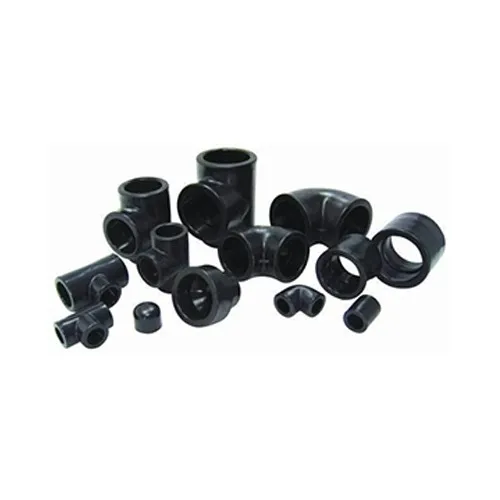
Mining Industry Piping

Application of HDPE Pipe for Mine Industry

HDPE pipes are extensively used in the mining industry for transporting water, slurry, chemicals, tailings, and compressed air. Their high impact strength, abrasion resistance, corrosion-free performance, and leak-proof joints make them a dependable piping solution for underground and surface mining operations. HDPE pipes ensure long-lasting performance even in harsh mining environments.

Advantages of HDPE Pipe

Excellent abrasion resistance for slurry transportation
Corrosion and chemical resistant performance
Leak-proof fusion joints for safe operation
High impact strength for rugged mining conditions
Lightweight design for easy installation
Long service life with minimal maintenance
FAQS

Frequently Asked Questions

1. Why are HDPE pipes used in the mining industry? + HDPE pipes are widely used in the mining industry because they offer excellent abrasion resistance, corrosion protection, flexibility, and long-lasting performance in demanding mining environments.
2. What mining applications are suitable for HDPE pipes? + HDPE pipes are used for slurry transport, mine dewatering, water supply, tailings disposal, chemical transfer, and drainage systems in mining operations.
3. Can HDPE pipes handle abrasive mining slurry? + Yes. HDPE pipes have excellent abrasion resistance, making them suitable for transporting slurry, sand, and mineral particles with reduced wear compared to traditional piping materials.
4. Are HDPE pipes resistant to mining chemicals?+ Yes. HDPE pipes resist a wide range of acids, alkalis, and industrial chemicals commonly used during mineral extraction and processing.
5. Can HDPE pipes be installed underground in mines?+ Yes. Their flexibility, impact resistance, and leak-proof joints make HDPE pipes ideal for underground mining and buried pipeline installations.
6. What are the benefits of HDPE pipes for mine dewatering?+ HDPE pipes provide efficient water discharge, corrosion resistance, lightweight handling, and reliable performance for mine dewatering systems.
7. Do HDPE pipes require frequent maintenance in mining applications?+ No. HDPE pipes require minimal maintenance because they resist corrosion, scaling, cracking, and abrasion, helping reduce operating costs.
8. How long do HDPE pipes last in mining environments?+ With proper installation and operating conditions, HDPE pipes can deliver reliable service for more than 50 years in mining applications.
9. Why are leak-proof joints important in mining pipelines?+ Leak-proof joints help prevent water loss, slurry leakage, environmental contamination, and unnecessary maintenance, ensuring safe and efficient mining operations.
10. How do I choose the right HDPE pipe for a mining project?+ Choose the pipe based on operating pressure, slurry type, pipe diameter, temperature, and installation conditions to ensure long-term performance and reliability.