
Ahmedabad, Gujarat, India
ISO 9001:2008 Certified
Sustainable Water Solutions

HDPE Pipes for Water Treatment Plant

HDPE Pipes and Fittings manufacturer and supplier by Shree Harikrishna Group is the most efficient hdpe pipes in India. Our water pipes are pipes or tubes are frequently made of iron, steel, cast iron and polypropylene copper that are treated freshwater to build a well as the inside the building.

Drinking Water Transport

These pipes are designed to transport treated drinking water to our consumers. Our products include large width main pipes which supply entire urban areas, smaller branch lines that supply a group of building or small width pipes located within individual buildings. It has less power consumption, long service life and energy efficient.
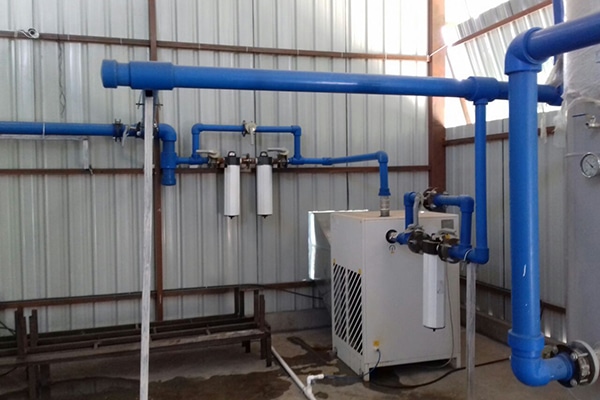
Water Treatment Plant Piping
Features

Features of Water Treatment Piping

Hygienic and non-toxic for drinking water

High resistance to scaling and corrosion

Extremely long service life (50+ years)

Application of Water Treatment

Our products include large width main pipes which supply entire urban areas, smaller branch lines that supply a group of building or small width pipes located within individual buildings.

Advantages of Water Treatment

Reduced power consumption and energy efficient
Smooth inner surface prevents flow loss
Zero-leakage joints for treated water safety
FAQS

Frequently Asked Questions

1. Why are HDPE pipes used in the pharmaceutical industry? + HDPE pipes are widely used in pharmaceutical facilities because they are corrosion-resistant, durable, leak-proof, and suitable for transporting water and industrial process fluids.
2. What are the common applications of HDPE pipes in pharmaceutical plants? + HDPE pipes are commonly used for water supply, drainage systems, effluent disposal, cooling water lines, chemical transfer, and underground utility pipelines.
3. Are HDPE pipes resistant to pharmaceutical chemicals? + Yes. HDPE pipes offer excellent resistance to many acids, alkalis, and industrial chemicals commonly used in pharmaceutical manufacturing facilities.
4. Why are leak-proof joints important in pharmaceutical plants?+ Leak-proof joints help prevent fluid loss, reduce contamination risks, improve operational efficiency, and maintain a safe working environment.
5. Can HDPE pipes be installed underground?+ Yes. HDPE pipes are highly flexible, impact-resistant, and suitable for underground utility, drainage, and water distribution systems.
6. What are the advantages of HDPE pipes over metal pipes?+ HDPE pipes do not rust or corrode, are lightweight, easy to install, require minimal maintenance, and provide a longer service life than many traditional metal pipes.
7. Can HDPE pipes handle continuous industrial operations?+ Yes. HDPE pipes are designed for continuous industrial use and deliver reliable performance in demanding pharmaceutical manufacturing environments.
8. Do HDPE pipes require regular maintenance?+ No. HDPE pipes require very little maintenance due to their corrosion resistance, smooth inner surface, and durable construction.
9. How long do HDPE pipes last in pharmaceutical applications?+ With proper installation and operating conditions, HDPE pipes can provide dependable performance for more than 50 years.
10. How do I choose the right HDPE pipe for a pharmaceutical industry project?+ Choose the pipe based on fluid type, pressure rating, temperature, pipe size, and installation requirements to ensure safe, efficient, and long-lasting performance.