
Ahmedabad, Gujarat, India
ISO 9001:2008 Certified
High-Pressure Pneumatics

HDPE Pipe for Pneumatic Industry

We are the supreme manufacturer and supplier of the HDPE Pipes, PPRC Pipes and fittings, and exporter of PPR Pipes in Asian and African Countries in India. Our products are available in different sizes and dimensions as per the industries necessities.

Expert Engineering

We are greatly assisted by our dedicated team of experts in every business manufacture stage. Our team analysis the products and ensures that no damage or error has taken place in during the process of transportation, loading or unloading. As the most popular idea to cater vitality sparing pneumatic piping to the industrial sector.
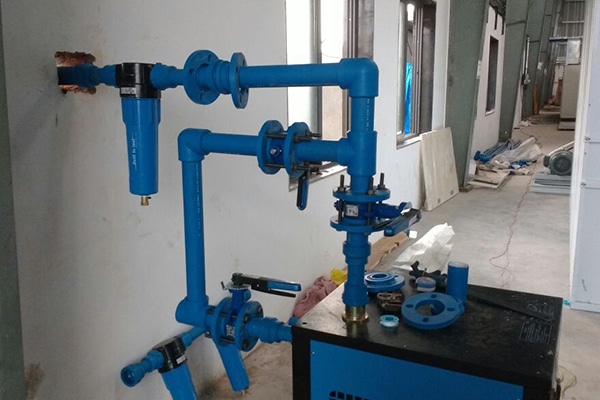
Pneumatic Industry Piping
Features

Features of Pneumatic Industry

Energy Efficient Operation

Safe and Clean Technology

Low Maintenance & High Reliability

Application of Pneumatic Industry

The pneumatic industry plays a vital role in manufacturing, automation, packaging, and material handling processes. Pneumatic systems provide efficient, reliable, and precise control for operating machinery and industrial equipment.

These systems are widely used in automotive, food processing, pharmaceutical, and engineering industries where clean, safe, and cost-effective power transmission is required for continuous production operations.

Advantages of Pneumatic Industry

High resistance to aggressive chemicals
Safe for sensitive laboratory environments
Durable and low-maintenance construction
Safe compressed air technology minimizes workplace hazards and risks.
Fast response speeds improve productivity and process efficiency.
Clean operation prevents contamination in sensitive industrial environments.
FAQS

Frequently Asked Questions

1. Why are HDPE pipes used in the pneumatic industry? + HDPE pipes are used in the pneumatic industry because they are lightweight, corrosion-resistant, durable, and suitable for industrial utility and air distribution systems.
2. Can HDPE pipes be used for compressed air applications? + Yes. HDPE pipes can be used for specific compressed air applications when designed according to the required pressure rating and industry standards.
3. What are the advantages of HDPE pipes in pneumatic systems? + HDPE pipes offer leak-proof joints, smooth internal surfaces, corrosion resistance, long service life, and low maintenance, making them suitable for industrial pneumatic installations.
4. Are HDPE pipes resistant to corrosion?+ Yes. HDPE pipes do not rust or corrode, ensuring reliable performance even in humid or chemically exposed industrial environments.
5. Can HDPE pipes be installed underground?+ Yes. HDPE pipes are highly flexible and impact-resistant, making them an excellent choice for underground industrial utility pipelines.
6. Do HDPE pipes reduce pressure loss?+ Yes. Their smooth inner surface minimizes friction, helping maintain efficient flow and reducing pressure loss within the piping system.
7. Are HDPE pipes suitable for industrial manufacturing facilities?+ Yes. HDPE pipes are widely used in manufacturing plants, processing units, pneumatic utility systems, and industrial infrastructure due to their durability and reliability.
8. How long do HDPE pipes last in industrial applications?+ With proper installation and operating conditions, HDPE pipes can provide dependable service for more than 50 years.
9. Do HDPE pipes require frequent maintenance?+ No. HDPE pipes require very little maintenance because they resist corrosion, scaling, and leakage, helping reduce operational costs.
10. How do I choose the right HDPE pipe for a pneumatic industry application?+ Choose the pipe based on operating pressure, application type, pipe diameter, installation conditions, and relevant industry standards to ensure safe and efficient performance.